
La Roche-Posay Anthelios Melt-in Milk Sunscreen SPF 60 vs Neutrogena Hydro Boost Water Gel Moisturizer 50g
What separates them
These two differ on 3 recorded specifications. The La Roche-Posay Anthelios Melt-in Milk Sunscreen SPF 60 is ₹1,440 dearer.
La Roche-Posay Anthelios Melt-in Milk Sunscreen SPF 60 vs Neutrogena Hydro Boost Water Gel Moisturizer 50g

La Roche-Posay
La Roche-Posay Anthelios Melt-in Milk Sunscreen SPF 60
₹2,490
SPF does not scale the way people read it: SPF 30 blocks about 97 percent of UVB and SPF 60 about 98, so doubling the number buys one percentage point.
Full details →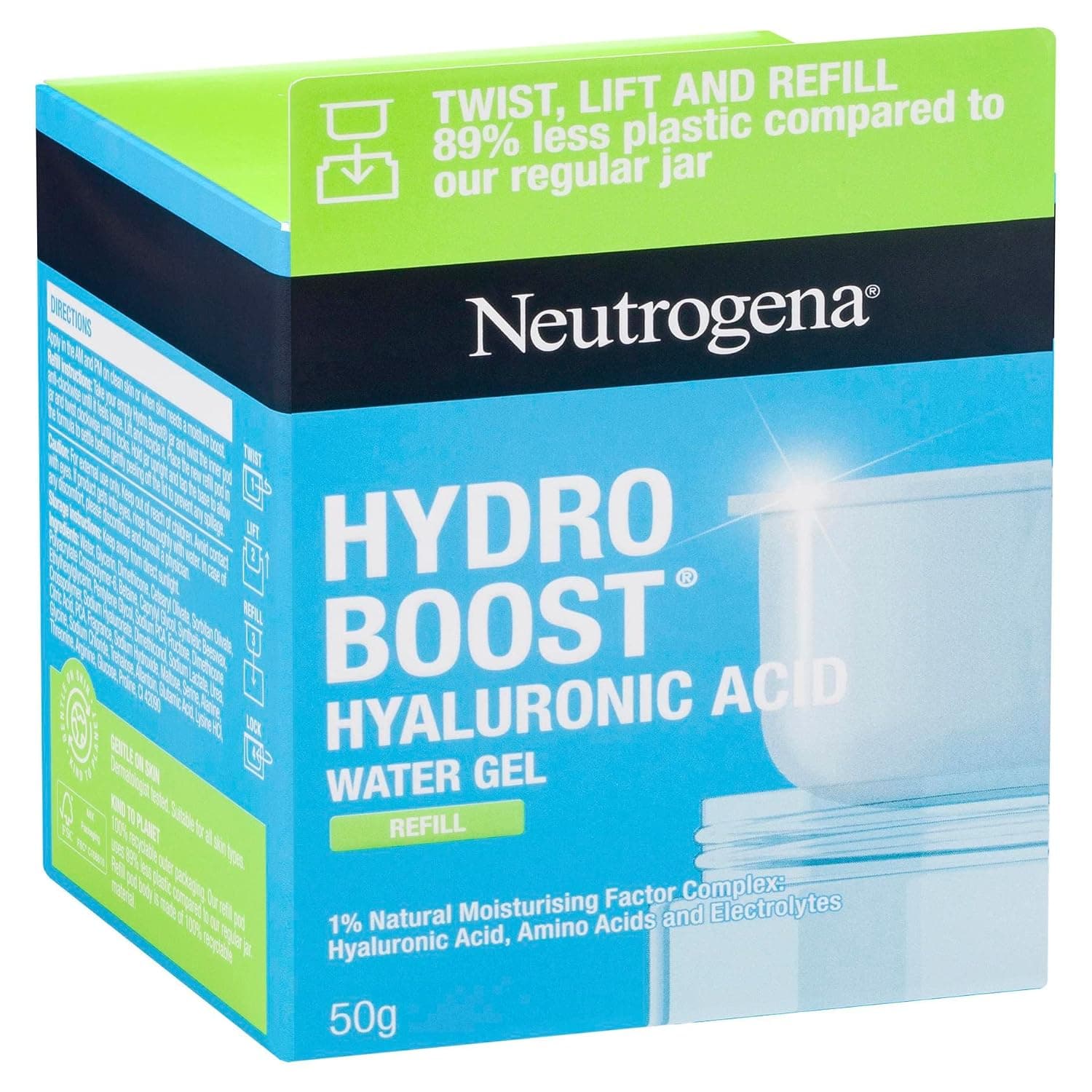
Neutrogena
Neutrogena Hydro Boost Water Gel Moisturizer 50g
₹1,050
Hyaluronic acid is a humectant, which means it pulls water from the air around it -- so this works beautifully in Indian humidity and can actively backfire in a dry air-conditioned office, where with nothing sealing it, it draws moisture from deeper skin instead.
Full details →Who the La Roche-Posay Anthelios Melt-in Milk Sunscreen SPF 60 is for
Buy it if: Anyone who will apply a proper quarter teaspoon and reapply every two hours.
Avoid it if: Anyone applying a thin layer once a day and expecting SPF 60 protection.
Who the Neutrogena Hydro Boost Water Gel Moisturizer 50g is for
Buy it if: Oily and combination skin in humid conditions, where a humectant works as intended.
Avoid it if: Anyone in dry or air-conditioned air using it alone, and anyone sensitive to fragrance.
Specifications, side by side
3 of 17 rows differ. Differences first.
| Specification | La Roche-Posay Anthelios Melt-in Milk Sunscreen SPF 60 | Neutrogena Hydro Boost Water Gel Moisturizer 50g |
|---|---|---|
| Price | ₹2,490 | ₹1,050 |
| Fragrance | Fragranced | Present, which is the single commonest cause of reaction in a moisturiser |
| Key actives | Avobenzone 3 percent, homosalate 10 percent, octisalate 5 percent, octocrylene 10 percent | Sodium hyaluronate, glycerin |
| Volume | 90 ml | 50 g |
| Mains voltage | Not applicable | Not applicable |
| Period after opening | 12 months after opening | 12 months after opening |
| Warranty | 1 Year Official Brand Warranty | 1 Year Official Brand Warranty |
| Comedogenic | not published | Non-comedogenic and oil free |
| Finish | Milky, absorbs without a white cast | not published |
| How hyaluronic acid works | not published | It is a humectant -- it draws water from the surrounding air into the skin |
| How SPF scales | Not linearly. SPF 30 blocks about 97 percent of UVB and SPF 60 about 98 percent. Doubling the number buys roughly one percentage point | not published |
| Reapplication | Every 2 hours in sun, and after swimming or heavy sweating | not published |
| Suits | not published | Oily and combination skin, and humid climates |
| Texture | not published | Water gel, absorbs fast, no residue |
| The catch | not published | In dry air with nothing sealing it, it can pull moisture out of deeper skin instead. In Indian humidity it works well; in an air-conditioned room or a dry winter it needs an occlusive layer over it |
| UVA | SPF measures UVB only. UVA causes most ageing and tanning and is rated by the PA system, which US-labelled sunscreens do not carry | not published |
| Water resistance | 80 minutes, which is a tested claim rather than a marketing one | not published |
| What actually matters | Quantity. SPF is measured at 2 mg per square centimetre, about a quarter teaspoon for a face, and almost nobody applies that much. Applying half gives far less than half the rated protection | not published |
Every row is a figure one or both products record. A blank is a figure the catalogue does not hold, not a zero.
Compare the La Roche-Posay Anthelios Melt-in Milk Sunscreen SPF 60 with something else →