
LG UltraGear 27-inch QHD 165Hz IPS Gaming Monitor (27GN800-B) vs Anker 737 Charger 120W GaN Prime 3-Port Wall Fast Charger
What separates them
These two differ on 2 recorded specifications. The LG UltraGear 27-inch QHD 165Hz IPS Gaming Monitor (27GN800-B) is ₹14,991 dearer.
LG UltraGear 27-inch QHD 165Hz IPS Gaming Monitor (27GN800-B) vs Anker 737 Charger 120W GaN Prime 3-Port Wall Fast Charger
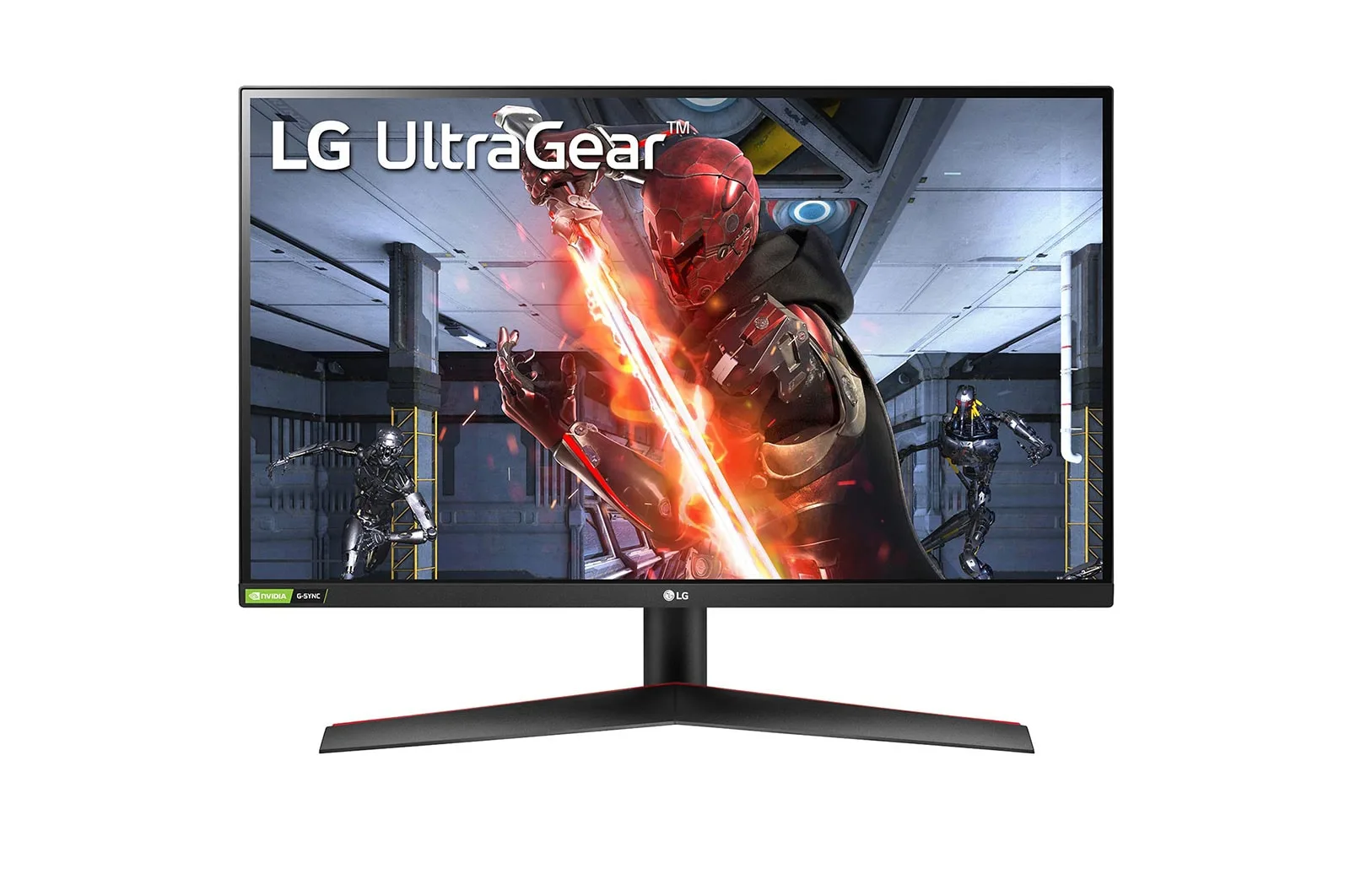
LG
LG UltraGear 27-inch QHD 165Hz IPS Gaming Monitor (27GN800-B)
₹22,990
DisplayHDR 400 is worth understanding for what it is not: with no local dimming zones, enabling HDR mostly raises brightness and washes out contrast, and most owners turn it off.
Full details →
Anker
Anker 737 Charger 120W GaN Prime 3-Port Wall Fast Charger
₹7,999
120 W is a total shared across three ports, not a figure any single port sustains while others are in use, and this is the specification that surprises people.
Full details →Who the LG UltraGear 27-inch QHD 165Hz IPS Gaming Monitor is for
Buy it if: Anyone wanting one monitor that games at 165 Hz and does colour-accurate work.
Avoid it if: Anyone buying it for HDR -- without local dimming there is nothing there.
Who the Anker 737 Charger 120W GaN Prime 3-Port Wall Fast Charger is for
Buy it if: Anyone charging a laptop and phone from one adapter who understands the power is shared.
Avoid it if: Anyone expecting full speed on every port simultaneously -- no multi-port charger does that.
Specifications, side by side
2 of 21 rows differ. Differences first.
| Specification | LG UltraGear 27-inch QHD 165Hz IPS Gaming Monitor | Anker 737 Charger 120W GaN Prime 3-Port Wall Fast Charger |
|---|---|---|
| Price | ₹22,990 | ₹7,999 |
| Ports | 2 x HDMI 2.0, 1 x DisplayPort 1.4, headphone out | 2 x USB-C, 1 x USB-A |
| Weight | 6.2 kg with stand | 200 g |
| Warranty | 1 Year Official Brand Warranty | 1 Year Official Brand Warranty |
| Adaptive sync | G-Sync compatible and FreeSync Premium | not published |
| Annual energy use | 44 kWh a year at 4 hours a day, about Rs352 at Rs8 per unit | not published |
| Brightness | About 320 nits sustained | not published |
| Colour | sRGB 99 percent | not published |
| Ergonomics | Height and tilt, with a 100 mm VESA mount | not published |
| Form factor | 27 inch gaming monitor | not published |
| HDR | DisplayHDR 400 -- a badge rather than real HDR, since it has no local dimming | not published |
| One device | not published | USB-C 1 alone delivers 100 W |
| Panel type | IPS | not published |
| Plug | not published | Indian 2-pin |
| Refresh rate | 165 Hz | not published |
| Resolution | 2560 x 1440 | not published |
| Response time | 1 ms grey-to-grey at the fastest overdrive, which introduces visible overshoot | not published |
| Technology | not published | Gallium nitride, which is why it is about half the size of a silicon 120 W charger |
| Three devices | not published | 65 W, 45 W and 10 W respectively |
| Total output | not published | 120 W shared across three ports -- not 120 W per port |
| Two devices | not published | USB-C 1 drops to 65 W and USB-C 2 takes 45 W. A laptop charging at 100 W silently halves when a phone is plugged in |
| Why this happens | not published | A shared power budget. Every multi-port charger does this and few publish the table |
Every row is a figure one or both products record. A blank is a figure the catalogue does not hold, not a zero.
Compare the LG UltraGear 27-inch QHD 165Hz IPS Gaming Monitor with something else →