
Crucial P3 Plus 1TB PCIe Gen4 NVMe M.2 SSD (CT1000P3PSSD8) vs Anker 555 USB-C Hub 8-in-1 PowerExpand Adapter
What separates them
These two differ on 4 recorded specifications. The Crucial P3 Plus 1TB PCIe Gen4 NVMe M.2 SSD (CT1000P3PSSD8) is ₹500 dearer. They are different kinds of product — internal ssd against accessories — so read the table as two spec sheets rather than a like-for-like.
Crucial P3 Plus 1TB PCIe Gen4 NVMe M.2 SSD (CT1000P3PSSD8) vs Anker 555 USB-C Hub 8-in-1 PowerExpand Adapter

Crucial
Crucial P3 Plus 1TB PCIe Gen4 NVMe M.2 SSD (CT1000P3PSSD8)
₹6,499
The Crucial P3 Plus reaches 5000 MB/s sequential read and suits an OS or game drive well. It uses QLC NAND, so sustained large-file writes slow substantially once the SLC cache fills — worth knowing if you transfer video in bulk.
Full details →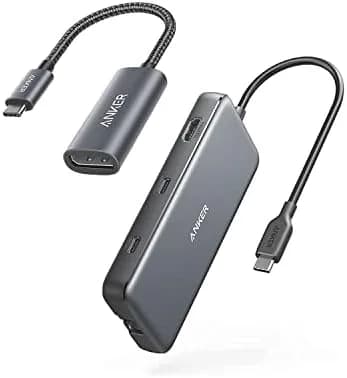
Anker
Anker 555 USB-C Hub 8-in-1 PowerExpand Adapter
₹5,999
4K at 30 Hz is the number to know before buying, and it is not on the front of the box.
Full details →Who the Crucial P3 Plus 1TB PCIe Gen4 NVMe M.2 SSD is for
Buy it if: Anyone upgrading an operating system drive or expanding game storage, where reads dominate and writes are bursty.
Avoid it if: Video editors making sustained multi-hundred-gigabyte writes, who should choose a TLC drive.
Who the Anker 555 USB-C Hub 8-in-1 PowerExpand Adapter is for
Buy it if: Anyone needing many ports at 1080p or 1440p, or 4K where refresh rate does not matter.
Avoid it if: Anyone driving a 4K monitor for daily work -- 30 Hz pointer stutter is genuinely unpleasant.
Specifications, side by side
4 of 19 rows differ. Differences first.
| Specification | Crucial P3 Plus 1TB PCIe Gen4 NVMe M.2 SSD | Anker 555 USB-C Hub 8-in-1 PowerExpand Adapter |
|---|---|---|
| Price | ₹6,499 | ₹5,999 |
| Form factor | M.2 2280 internal SSD | USB-C docking hub |
| Ports | PCIe Gen4 x4 NVMe | HDMI, 2 x USB-A 10 Gbps, USB-C 10 Gbps, USB-C PD in, Ethernet, SD, microSD |
| Warranty | 5 year limited | 1 Year Official Brand Warranty |
| Weight | 0.01 kg | 118 g |
| Battery | Not applicable | not published |
| Brightness | Not applicable | not published |
| Display size | Not applicable | not published |
| Ethernet | not published | Gigabit |
| Heat | not published | Warm in use, which is normal for an aluminium hub |
| Host requirement | not published | The laptop's USB-C port must support DisplayPort Alt Mode; many budget laptops do not |
| Memory | No DRAM cache | not published |
| Panel type | Not applicable | not published |
| Power delivery | not published | 85 W passthrough from a 100 W charger |
| Processor | Not applicable | not published |
| Refresh rate | Not applicable | not published |
| Storage | 1000 GB | not published |
| Sustained TDP | 7 W peak | not published |
| Video output | not published | 4K at 30 Hz only -- this is the specification that matters and the one buried in the manual |
| Why 30 Hz | not published | The hub shares one DisplayPort lane pair with data. 4K60 needs both pairs, which means no USB data |
Every row is a figure one or both products record. A blank is a figure the catalogue does not hold, not a zero.
Compare the Crucial P3 Plus 1TB PCIe Gen4 NVMe M.2 SSD with something else →