
Shure SM7B Cardioid Dynamic Vocal Studio Microphone (SM7B) vs Samsung Galaxy Ring
What separates them
These two differ on 1 recorded specification. The Samsung Galaxy Ring is ₹1,009 dearer. They are different kinds of product — dynamic studio microphone against smart ring — so read the table as two spec sheets rather than a like-for-like.
Shure SM7B Cardioid Dynamic Vocal Studio Microphone (SM7B) vs Samsung Galaxy Ring

Shure
Shure SM7B Cardioid Dynamic Vocal Studio Microphone (SM7B)
₹38,990
The reason this microphone frustrates first-time buyers is a single number: -59 dBV/Pa output, which is extraordinarily low and means it needs roughly 60 dB of clean gain that most affordable interfaces cannot deliver.
Full details →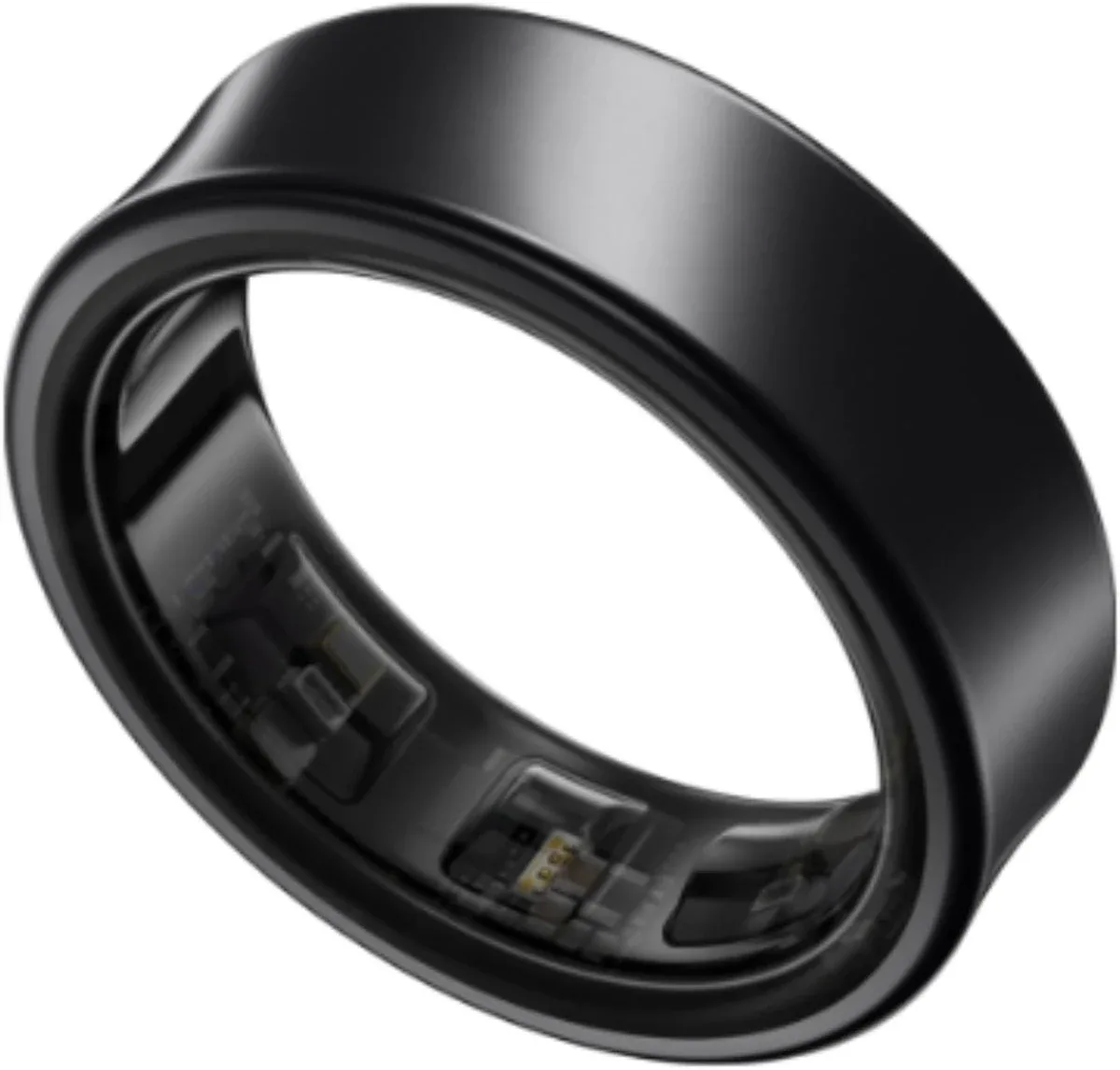
Samsung
Samsung Galaxy Ring
₹39,999
The Samsung Galaxy Ring is an AI-enabled smart ring with advanced health monitoring, sleep tracking, and Sleep Coach features, offering a discreet way to track wellness metrics while supporting convenient wireless charging in a Titanium Black design.
Full details →Who the Shure SM7B Cardioid Dynamic Vocal Studio Microphone is for
Buy it if: Anyone with an interface that can supply about 60 dB of clean gain, or willing to add an inline preamp.
Avoid it if: Anyone wanting a plug-and-play USB microphone -- this needs XLR, an interface, and probably a preamp.
Who the Samsung Galaxy Ring is for
Buy it if: The Samsung Galaxy Ring is a good fit for people who want discreet, continuous tracking of health, activity, and sleep without wearing a smartwatch all day, especially those already using Samsung Galaxy devices.
Avoid it if: It may not be ideal for users who want a screen, notifications, GPS, or advanced workout tracking on the ring itself, or for people who do not want to regularly charge and wear a smart ring.
Specifications, side by side
1 of 10 rows differ. Differences first.
| Specification | Shure SM7B Cardioid Dynamic Vocal Studio Microphone | Samsung Galaxy Ring |
|---|---|---|
| Price | ₹38,990 | ₹39,999 |
| Warranty | 1 Year Official Brand Warranty | 1-year |
| Connectivity | XLR only -- not USB, so an audio interface is mandatory | not published |
| Frequency response | 50 Hz to 20 kHz | not published |
| Gain requirement | Roughly 60 dB of clean gain. Most affordable interfaces do not have it, so a Cloudlifter or FetHead is usually needed | not published |
| Included | Windscreen and yoke mount | not published |
| Output level | -59 dBV/Pa -- very low, and the single most important fact about this microphone | not published |
| Phantom power | Not required by the microphone itself | not published |
| Polar pattern | Cardioid | not published |
| Shielding | Internal, against electromagnetic hum from monitors | not published |
| Weight | 765 g | not published |
Every row is a figure one or both products record. A blank is a figure the catalogue does not hold, not a zero.
Compare the Shure SM7B Cardioid Dynamic Vocal Studio Microphone with something else →