
Fortune Biryani Special Premium Basmati Rice 5kg vs Aashirvaad Shuddh Chakki Atta Whole Wheat 10kg
What separates them
Every specification both products publish agrees. The difference is elsewhere — price, warranty or brand. The Fortune Biryani Special Premium Basmati Rice 5kg is ₹250 dearer.
Fortune Biryani Special Premium Basmati Rice 5kg vs Aashirvaad Shuddh Chakki Atta Whole Wheat 10kg

Fortune
Fortune Biryani Special Premium Basmati Rice 5kg
₹695
The difference between this and the everyday basmati in the same department is ageing, and it is visible on the plate: aged grain has lost moisture, so it absorbs less water, elongates to roughly twice its raw length and stays separate through the layering and steaming that biryani requires.
Full details →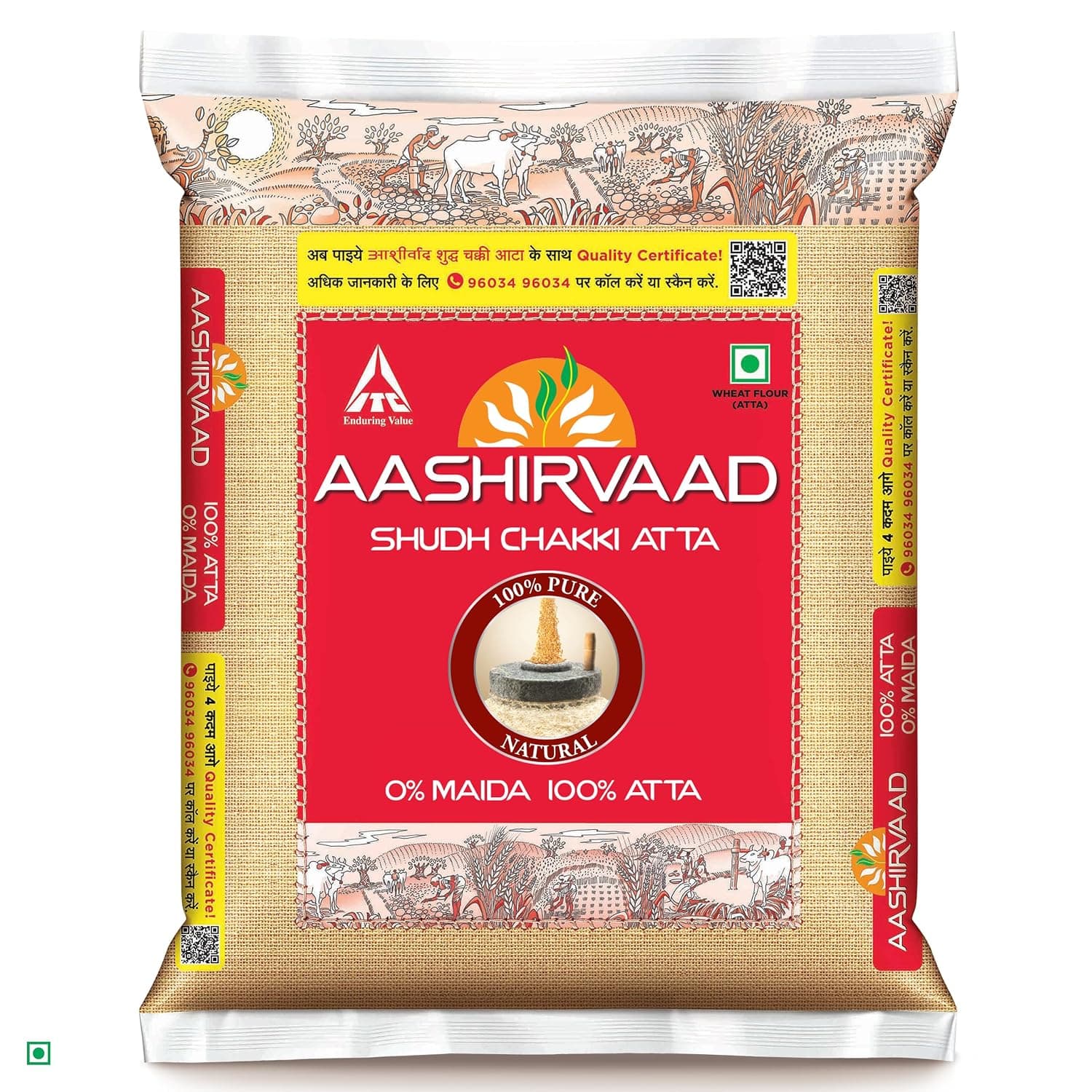
Aashirvaad
Aashirvaad Shuddh Chakki Atta Whole Wheat 10kg
₹445
Chakki grinding runs slower and cooler than industrial roller milling, which retains more of the bran and germ, and that is the genuine difference.
Full details →Who the Fortune Biryani Special Premium Basmati Rice 5kg is for
Buy it if: Anyone cooking biryani or pulao where grain separation is visible and matters.
Avoid it if: Everyday cooking -- the everyday grade in this department costs less and is adequate.
Who the Aashirvaad Shuddh Chakki Atta Whole Wheat 10kg is for
Buy it if: Larger households that will use 10 kg within about two months.
Avoid it if: Small households in hot climates -- buy a smaller pack or refrigerate it.
Specifications, side by side
0 of 13 rows differ. Differences first.
| Specification | Fortune Biryani Special Premium Basmati Rice 5kg | Aashirvaad Shuddh Chakki Atta Whole Wheat 10kg |
|---|---|---|
| Price | ₹695 | ₹445 |
| Warranty | 1 Year Official Brand Warranty | 1 Year Official Brand Warranty |
| 10 kg note | not published | A 10 kg pack takes most households longer than the flour stays fresh in Indian heat |
| Elongation | Aged basmati elongates roughly twice its raw length when cooked. Younger rice does not | not published |
| Grade | Premium, aged longer than everyday grades | not published |
| Grain length | Around 8.3 mm before cooking, longer than everyday grades | not published |
| Milling | not published | Chakki, a stone grinding process, against industrial roller milling |
| Per 100 g | not published | About 341 kcal, 12 g protein, 11 g fibre |
| Per 100 g uncooked | About 350 kcal, 7 g protein | not published |
| Shelf life | not published | Whole wheat flour contains germ oil and goes rancid faster than refined flour. Use within about 2 months of opening, and refrigerate in summer |
| Technique | Rinse until clear, soak 30 minutes, and cook to 70 percent before layering | not published |
| Whole wheat | not published | Bran, germ and endosperm all present |
| Why biryani specifically | Biryani needs grains that stay wholly separate through layering and steaming, which is exactly what ageing produces | not published |
| Why it matters | not published | Chakki grinding runs slower and cooler, which retains more of the bran and germ oils. Roller milling is faster and separates fractions, and whole wheat flour is then recombined |
Every row is a figure one or both products record. A blank is a figure the catalogue does not hold, not a zero.
Compare the Fortune Biryani Special Premium Basmati Rice 5kg with something else →